Licensed & insured · Deck, fence & porch builders across 30 Western New York communities Mon–Fri · 9am–5pm ET · (716) 576-3250

Category: Materials

  • Cedar, ipe, or composite: how each looks after five winters

    The Deck Journal / Materials

    Cedar, ipe, or composite: how each looks after five winters

    MK Mike Kowalski, Founder
    May 12, 2026 · 8 min read
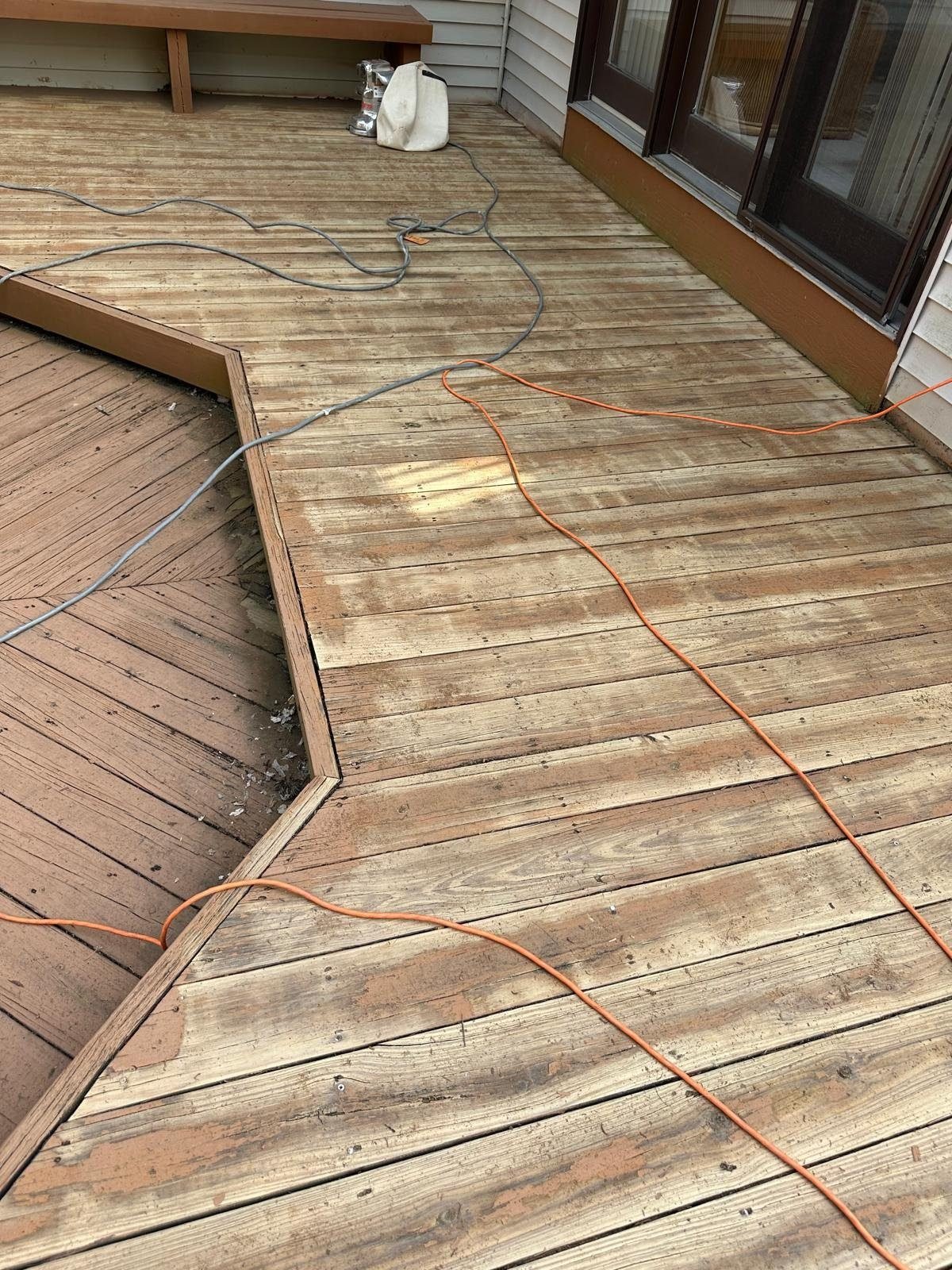
    Weathered deck being power washed and prepped for restoration

    Every material looks great on install day. The real test is what five Western New York winters do to it: freeze–thaw cycling, road salt spray, lake-effect snow load. Here’s what we’ve seen on our own maintained projects.

    Cedar ages gracefully if it’s re-stained on schedule (every 2–3 years). Skip a cycle in our climate and it grays and checks noticeably faster than in milder regions, since the freeze–thaw cycle opens up any unprotected grain fast.

    Ipe is the densest, most weather-resistant real wood option and holds its color and structure longest of the three woods we install, but it’s also the most expensive and the least forgiving to work with, which shows up in the install cost.

    Composite is the most consistent performer over five winters. Caps don’t crack, color doesn’t fade dramatically, and there’s no re-staining schedule to fall behind on. The tradeoff is entirely up front: 30–40% more than PT lumber on day one.

    None of the three is the wrong answer. It’s a question of whether you’d rather pay in dollars now or maintenance hours later. We’ll talk you through samples of all three on the design visit.
    Want your number, not a ballpark?

  • Composite vs. pressure-treated for lake-effect country

    The Deck Journal / Materials

    Composite vs. pressure-treated for lake-effect country

    MK Mike Kowalski, Founder
    Jul 22, 2026 · 7 min read
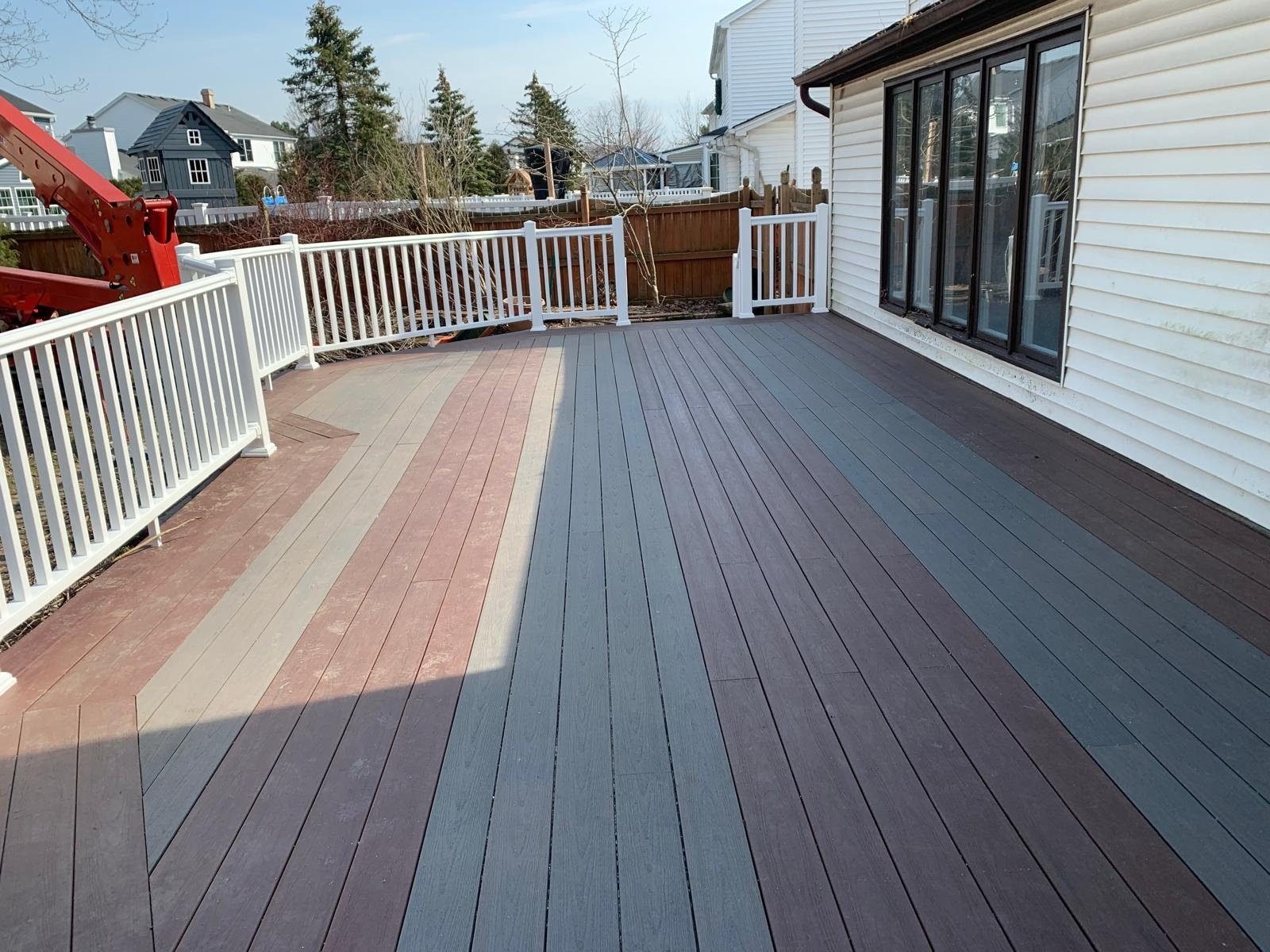
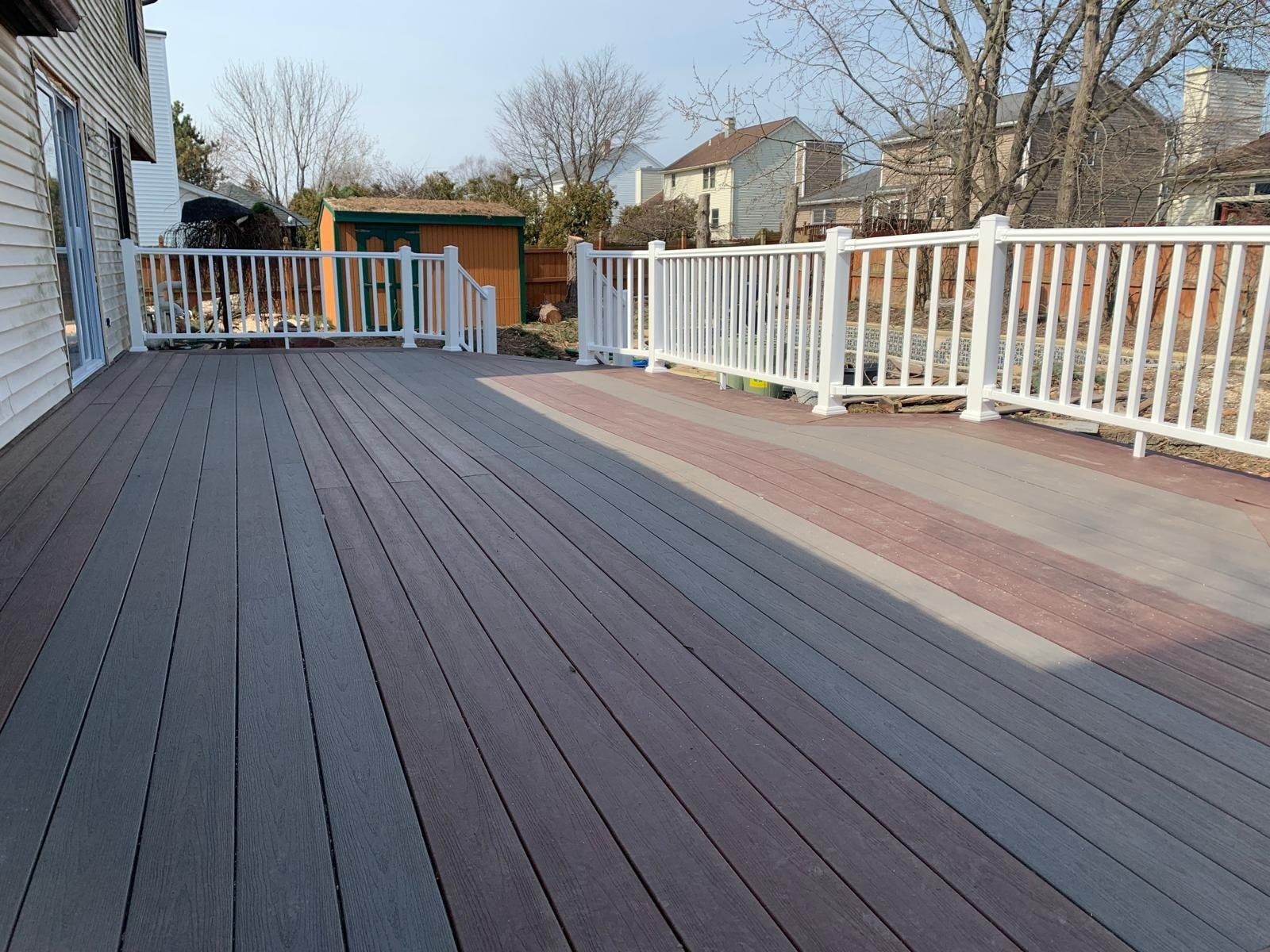
    Two-tone brown and gray composite decking

    The composite-vs-wood question is the first one we field on almost every design visit, and the honest answer is: it depends on how you weigh cost now against upkeep later.

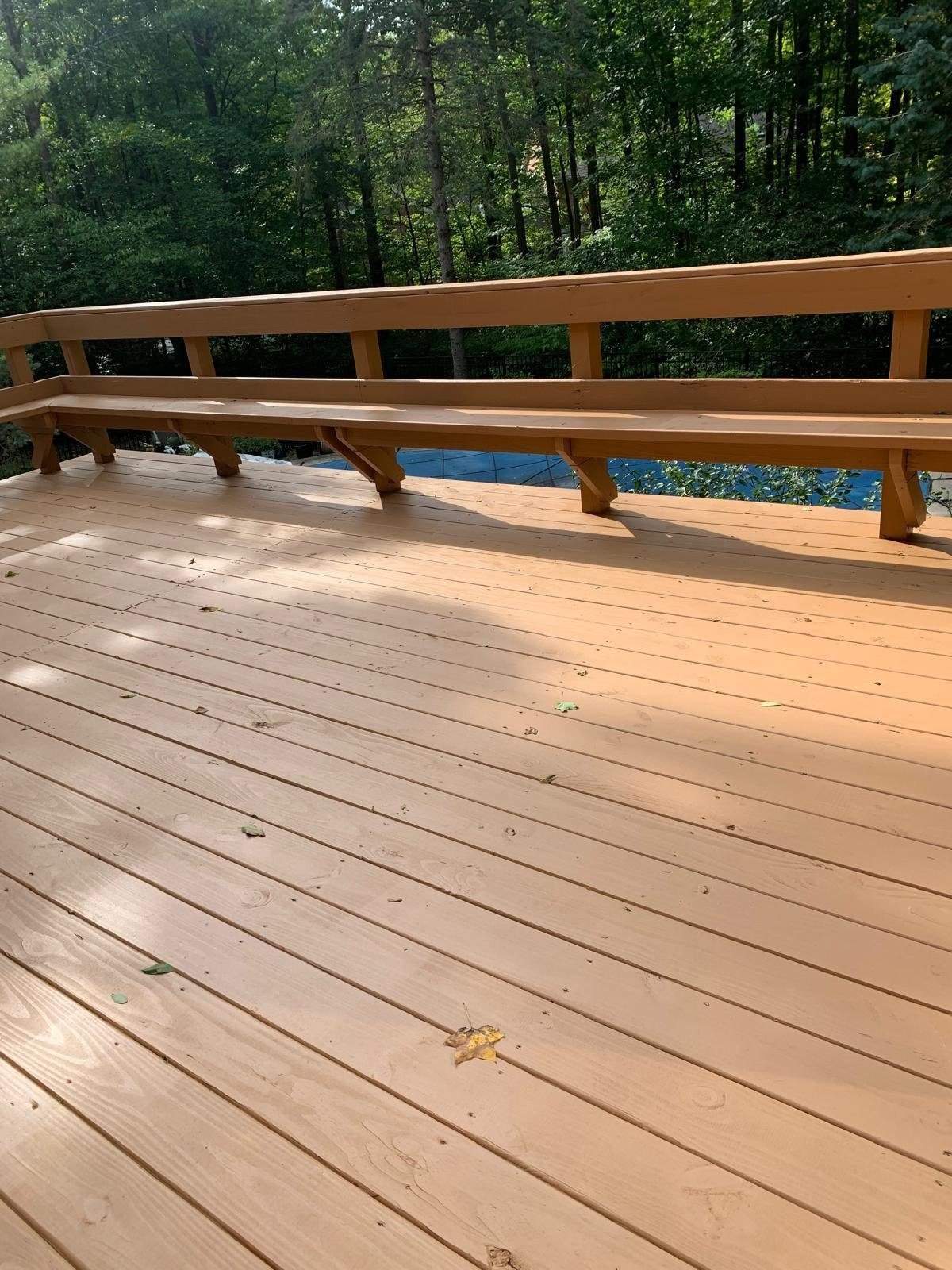
    Pressure-treated lumber runs $38–52 per square foot installed. It’s the budget workhorse, and it holds up fine structurally under our snow loads, but it needs re-staining every 2–3 years to survive freeze–thaw cycling without splintering or graying.

    Composite runs $62–95 per square foot installed, about 30–40% more up front. In exchange, it doesn’t stain, doesn’t splinter, and shrugs off snow shovels. About 60% of our builds now go composite, mostly from repeat customers who did the math on a decade of restaining.

    The honest recommendation: if you’re planning to stay in the house more than five years, composite usually wins on total cost. If you’re budget-constrained now or love the look of real wood, PT lumber with a disciplined staining schedule is a perfectly sound choice. We build both, and we’ll quote both so you can compare the real numbers side by side.

    Want your number, not a ballpark?